Understanding What Impacts the Wine Maturation Process
The wine maturation process is often thought of as simple aging, but it is far more complex than letting bottles sit over time. Wine matures through a series of gradual changes that affect aroma, flavor, texture, and overall balance. For collectors building a home wine cellar, the conditions surrounding each bottle play a major role in how that transformation unfolds.
A well-stored wine can develop depth and character over the years. Poor storage, on the other hand, can push the wine aging process in the wrong direction—flattening flavors, dulling structure, and shortening its peak window. Understanding what drives wine maturation helps homeowners protect their investment and enjoy each bottle at its best.

What the Wine Maturation Process Actually Means
The wine maturation process refers to the slow evolution that takes place after a wine is bottled. Over time, chemical reactions reshape how a wine tastes, smells, and feels on the palate.
In young wines, fruit flavors tend to be more pronounced, tannins (natural compounds found in grape skins, seeds, and stems) can feel firm, and acidity stands out clearly. As wine matures, those elements begin to integrate. Tannins soften, acidity feels more balanced, and new flavor notes can emerge. Matured wines often show greater complexity, with layers that go beyond primary fruit.
This aging process does not continue indefinitely. Most wines follow a general arc—they improve, reach a peak, and then gradually decline. That is why proper wine storage is so important. The right environment helps guide wine toward its ideal stage rather than pushing it past it too quickly.
Why Some Wines Age Better Than Others
Not every bottle is meant for long-term wine aging. The ability of a wine to develop over time depends largely on its structure.
What Helps a Wine Age Gracefully
Wines with strong balance between acidity, tannin, alcohol, and body tend to age more gracefully. Tannins, especially in red wines, provide structure that allows the wine to evolve slowly. Over time, those tannins soften, creating a smoother, more refined texture.
Acidity plays a different but equally important role. It helps preserve freshness and keeps the wine from feeling flat as it ages. Some white wines rely more on acidity than tannin for their aging potential, which is why certain Rieslings or Chardonnay styles can develop beautifully over time.
Lighter wines with low tannin and softer acidity often reach their best expression earlier. For these bottles, extended aging may reduce vibrancy rather than enhance it.
Vineyard and Winemaking Influence Aging Potential
The wine aging process begins long before the bottle reaches your home. Grape variety, climate, ripeness at harvest, and winemaking choices all shape how a wine will mature.
Wines made from thicker-skinned grapes often contain more phenolic compounds, which can support longer aging. Oak aging can also influence development by introducing subtle oxygen exposure and adding structure.
By the time a wine enters your collection, its aging potential is already set. Your role as a collector is to provide the right conditions for that potential to unfold.
Temperature Has the Greatest Impact on How Wine Matures
A stable wine storage temperature between 50–60°F allows wine to develop gradually and predictably. This range supports a steady aging process without forcing the wine to evolve too quickly.
Excess heat can accelerate the wine aging process in ways that reduce quality. Wines stored at higher temperatures may lose freshness, develop cooked or dull flavors, and reach their peak far earlier than expected. Once that damage occurs, it cannot be reversed.
Fluctuations are just as harmful. Repeated shifts in wine cellar temperature can stress the liquid and affect how it interacts with the seal over time.
A controlled environment helps maintain consistency and supports better long-term results.
Wine Cellar Temperature and Humidity Work Together
Temperature may lead, but the right wine cellar humidity is also important for proper storage.
Why Humidity Matters
Ideal wine cellar humidity falls between 50–70%. This range helps protect corks from drying out while avoiding excess moisture in the storage space.
When humidity falls outside that range, issues can develop:
- Too dry: Corks may shrink, allowing excess oxygen into the bottle
- Too humid: Labels can deteriorate and storage areas may be affected
- Unstable levels: Inconsistent conditions can disrupt long-term aging
Maintaining balanced wine cellar temperature and humidity creates a more stable environment for long-term storage.
Light and Vibration Also Play a Role
Wine matures best in a dark, undisturbed space. Light exposure can trigger unwanted reactions that affect aroma and flavor, especially over extended periods.
Vibration is another factor that is often overlooked:
- Frequent movement can interrupt the aging process
- Oxygen-related changes may speed up over time
- Long-term stability is harder to maintain
A calm, low-light environment supports more consistent maturation.

Bottle Position and Seal Influence Aging
How you store wine physically also affects how it matures.
Bottles sealed with natural cork are normally stored on their side. This position helps keep the cork moist, which supports a better seal and limits unwanted oxygen exposure. Upright storage over long periods can increase the risk of cork drying, which may weaken the seal and allow too much oxygen into the bottle.
Seal type plays a role as well. Natural cork allows for very slow oxygen exchange, which can support gradual development. Different bottle seals allow different levels of oxygen exchange, which can influence how the wine develops over time.
While collectors cannot change how a bottle was sealed, they can store wine in a way that supports the intended aging process.
How Wine Changes as It Ages
As the wine aging process unfolds, the differences between young and mature wine become more noticeable.
Young wines often feel vibrant and direct, with fresh fruit flavors, brighter acidity, and firmer structure. Over time, those characteristics evolve. Matured wines may show softer tannins, more integrated acidity, and a broader range of flavors.
Depending on the wine, those flavors can include dried fruit, spice, cedar, tobacco, or earthy notes. Color may also shift, especially in red wines, which tend to move from deep purple tones toward garnet or brick hues.
It is also normal for sediment to form in older bottles. This is a natural result of compounds binding together during the aging process and does not necessarily indicate a flaw.
What This Means for Home Wine Storage
For collectors, the key takeaway is simple: the wine maturation process depends on both the wine itself and the environment in which it is stored.
A well-designed home wine cellar supports:
- Consistent wine storage temperature
- Balanced wine cellar humidity
- Protection from light exposure
- Minimal vibration and disturbance
- Organized, accessible bottle storage
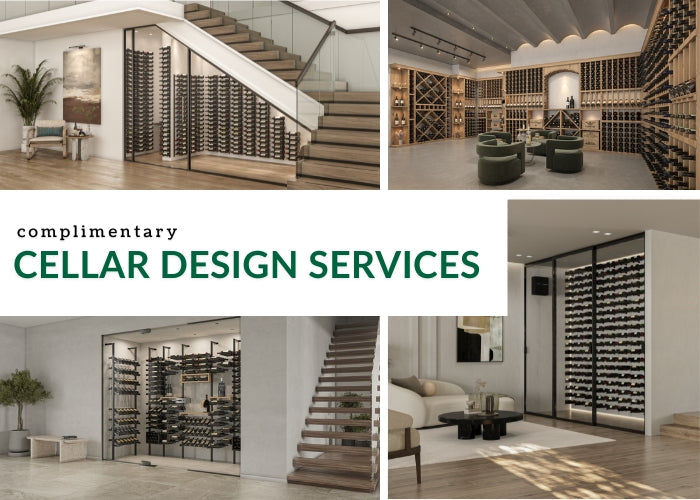
This is where thoughtful storage solutions come into play. For instance, the GrandCellar™ Storage System offers a secure way to maintain the conditions needed for proper aging. With our modular wine storage racks, collectors can expand their setup over time and keep bottles properly organized.

Better Wine Aging Starts With Better Storage
Wine matures with age, but only under the right conditions. The wine aging process is shaped by time and environment working together.
While you cannot change how your wine was made, you can control how it is stored. By maintaining proper wine storage temperature, managing humidity, and creating a stable environment, you give each bottle the best chance to develop as intended.
Ready to create better conditions for long-term wine storage? Wine Racks America is here to help you find design-forward solutions for your growing collection.