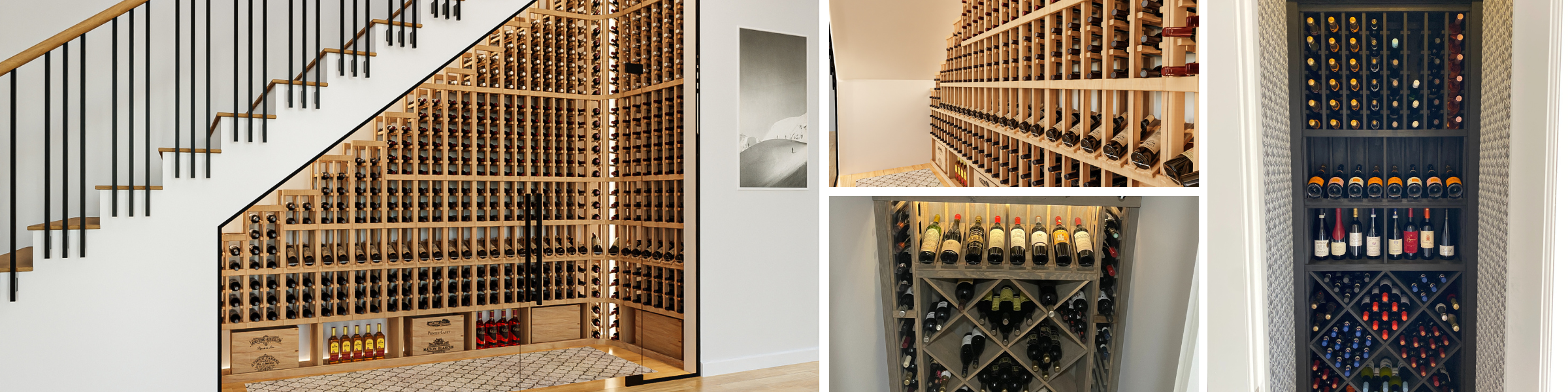
Under-the-Stairs Wine Cellar Design Ideas
For homeowners and residential designers alike, a wine cellar under the staircase offers flexibility—you can create anything from a simple display zone to a fully enclosed cellar designed for longer-term storage. It's one of the smartest ways to add meaningful wine storage without giving up valuable living space. The key is understanding how to work with the slope, depth, and access points to ensure a functional design.
Below, we break down practical under-stairs wine cellar ideas, including product-forward solutions that help turn dead space into a refined wine feature.

Why Wine Storage Works So Well Under the Stairs
Staircases naturally create enclosed volume, often away from windows and direct sunlight, which makes them well suited for wine storage. In many homes, this area already sits near entertaining spaces—living rooms, dining rooms, or bars—so bottles stay close at hand without crowding countertops or cabinetry.
That said, every staircase presents design challenges. Ceiling heights taper sharply, depths can be shallow, and door placement needs careful planning. Successful wine cellar design under stairs starts with accurate measurements and a clear plan for how the space will be used.
Display Nook, Wine Closet, or True Cellar?
Before choosing racks, decide what role the space will play.
An open display works well if the goal is visual impact and easy access. This approach often favors label-forward storage and works best for bottles you plan to open in the near term.
A wine closet under the stairs adds a door and finished interior, creating a cleaner, more composed look that integrates seamlessly with the surrounding architecture.
If you’re aiming for longer-term storage, the space should be treated as a true cellar. That means thinking about insulation, vapor barriers, and airflow early in the process. Proper planning during wine cellar construction helps prevent temperature swings that small under-stairs spaces are especially prone to.

Under-the-Stairs Wine Cellar Ideas That Make the Most of the Space
Under-the-stairs wine cellars work best when the design responds to the shape of the space rather than fighting it.
Use the Tall End for Visual Impact
The highest point under the staircase is ideal for a feature wall. Label-forward bottles here create a strong first impression, while the lower, sloped areas handle bulk storage. This balance keeps a wine room under stairs visually open without wasting hard-to-use space.
Browsing our curated Under-the-Stairs Wine Storage collection is a great starting point when planning these layouts.
Follow the Stair Pitch with a Stepped Layout
Racking that mirrors the angle of the stairs helps the cellar feel built in rather than inserted. This approach works especially well for a staircase wine cellar that needs to blend into the home’s architecture.
For wood-forward builds, our Build Your Own GrandCellar™ Storage System allows you to plan stepped configurations that align cleanly with the stair profile while maintaining consistent bottle spacing.
Mix Display, Bulk Storage, and Bins
Some of the most practical under-stairs wine storage ideas combine several storage styles. A small display zone highlights favorite bottles, while bulk storage and bins handle everyday inventory. This approach is ideal for households that buy wine regularly and need flexibility.
Create a Glass-Front Showcase
A glass wine cellar under stairs turns the collection into a design feature visible from the main living area. Clean lines, controlled lighting, and a restrained layout keep the focus on the bottles rather than the enclosure itself. Glass-front designs work particularly well in modern or transitional interiors where visibility is important.
Design Around Entertaining Flow
When the staircase sits near a dining room or bar, plan the cellar for quick service. Keep frequently opened bottles within easy reach and reserve lower sections for overflow. This kind of zoning makes an under-stairs wine cellar feel effortless to use, even during gatherings.
Hide It in Plain Sight
Not every homeowner wants a showpiece. Flush doors and paint-matched trim can conceal a wine cellar under the staircase by letting it disappear into the wall until opened. Inside, warm wood storage keeps the experience elevated without drawing attention from the room.
Go Vertical in Tight Stair Runs
Narrow staircases benefit from a slim under-stairs wine rack layout that emphasizes vertical storage, and wall-mounted options like VintageView Vino Rails work especially well by keeping bottles close to the wall while maintaining safe, easy access.

Layout Rules That Keep Storage Practical
A successful wine storage under the stairs plan accounts for real bottle sizes. Standard bottles store easily, but bear in mind that Champagne bottles typically require 3½-inch openings, while magnums need 4 inches, so plan on dedicated larger-format storage instead of forcing them into standard slots. Heavier formats should live lower in the layout for safer handling.
As a rule, keep everyday bottles between knee and shoulder height. Use the tightest, lowest areas for bulk storage rather than display. These decisions make the cellar easier to live with long term.
Styling Choices That Elevate the Space
Lighting should highlight bottles without adding heat. Low-profile LED lighting works well when used sparingly to wash the wall or accent labels.
Material choices should also be carefully considered. Wood wine storage adds warmth and blends naturally with residential interiors, while metal wine racking systems lean more contemporary. Matching finishes to nearby cabinetry or trim helps the wine cellar design feel unified.
Doors, hardware, and trim should align with the home’s architectural language so the cellar feels integrated rather than clumsily added later.
Mistakes to Avoid During Wine Cellar Construction Under Stairs
Even a small under-stairs wine cellar benefits from thoughtful planning. Because these spaces are compact and irregular, a few common missteps can affect overall performance:
- Treating the space like standard cabinetry instead of planning it as a true under-stairs wine cellar with consistent conditions in mind. For long-term storage, aim for 50–60°F and 50–70% relative humidity with minimal swings.
- Overloading tight openings with too many bottles, which leads to difficult pulls, damaged labels, and a higher risk of dropped bottles.
- Using the lowest, most awkward zones for display rather than reserving them for bulk or case-style storage where visibility matters less.
- Ignoring bottle size variation, especially wider Champagne bottles and heavier formats that need proper spacing and support.
- Overlighting the space or allowing direct sunlight to reach bottles, which can undermine long-term wine storage.
- Designing without access in mind, leaving bottles hard to reach once the cellar is filled and in regular use.
With proper planning, an under-the-stairs wine cellar can perform just as well as a larger space, while feeling far more integrated into the home’s design.

Build Your Dream Under-the-Stairs Wine Cellar
A well-designed wine cellar under the stairs transforms unused square footage into a feature that adds character and value to the home. With the right materials and planning, even the most awkward staircase can become a beautiful, efficient wine destination.
If you’re planning to turn a small space into under-stairs wine storage and want help translating ideas into a layout that truly fits the space, the Wine Racks America wine experts can help. We offer complimentary wine cellar design services, creating custom layouts that account for stair geometry, bottle mix, and other factors—so your under-stairs storage works beautifully from day one.