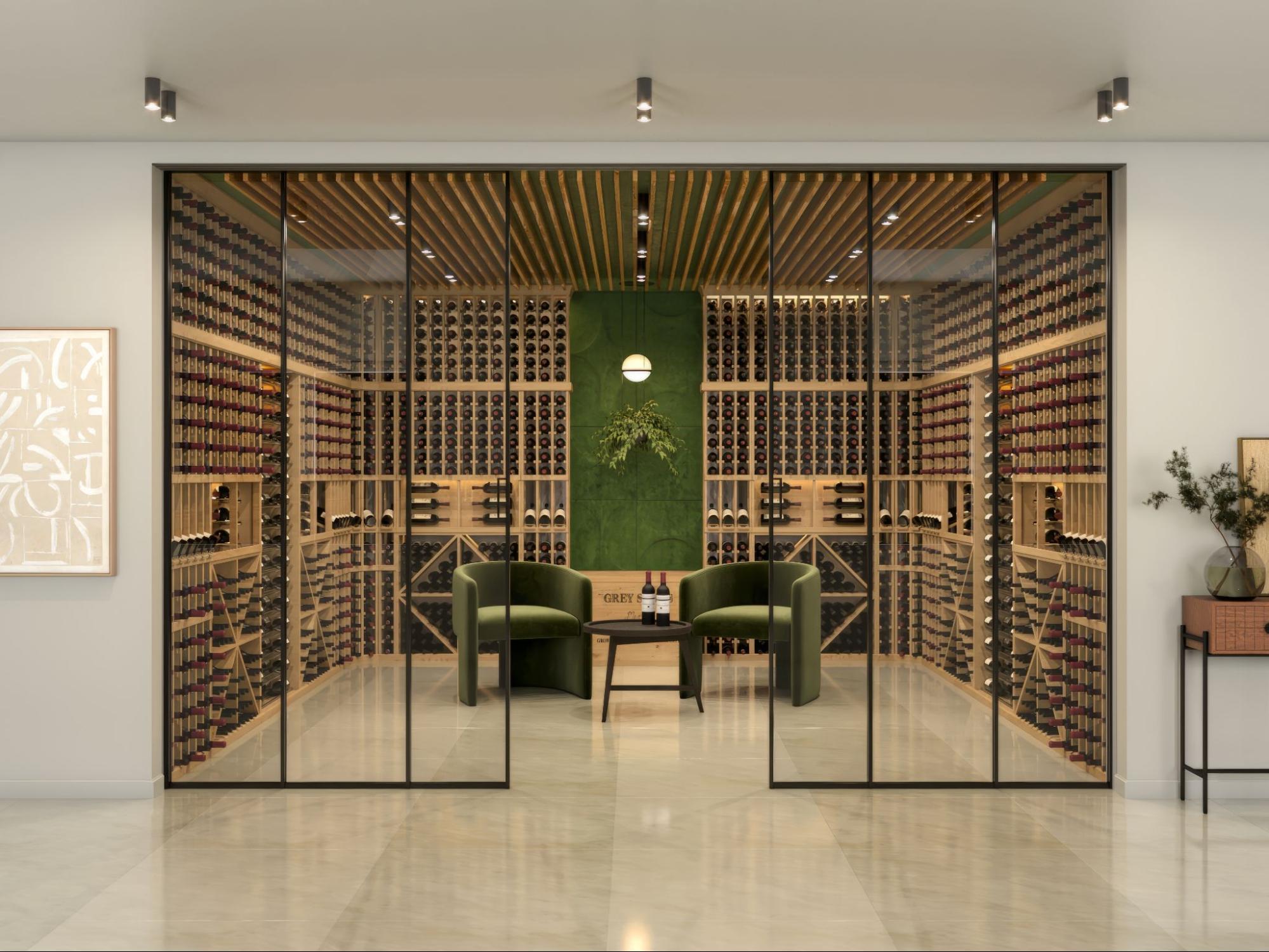
Wine Cellar Maintenance Checklist for Every Season
A wine cellar needs the same storage conditions in winter as it does in summer, but each season places different demands on the enclosure and cooling equipment. A seasonal wine cellar maintenance routine helps identify developing problems and maintain reliable performance throughout the year.
Aim to keep the cellar temperature between 50–60°F and relative humidity between 50–70%. Use the checklist for each season while following the maintenance and safety instructions for your exact wine cellar cooling unit.

Maintain a Year-Round Performance Baseline
Regular monitoring makes it easier to recognize a developing problem. Review temperature and humidity readings throughout the year rather than waiting for an alarm or noticeable equipment failure.
Compare the cellar controller with a dependable independent thermometer and hygrometer from time to time. If the readings differ substantially, consult the equipment instructions or arrange professional service.
Watch for changes such as:
- Unexplained temperature or humidity fluctuations
- Unusual noise or vibration
- Weak airflow
- Water around the equipment
- Repeated alarms
- Longer or more frequent cooling cycles
Keep a simple record of readings, filter care, service visits, and abnormal performance. This information can help a technician identify patterns that are difficult to observe during a single appointment.
Maintenance requirements differ among cooling systems. Filter care, coil cleaning, and inspection intervals should always follow the manufacturer’s instructions.
Spring: Prepare for Warmer Weather
Spring is a good time to prepare the enclosure and wine cooling system for increased summer demand. Begin by reviewing winter readings for low humidity, low temperature, or recurring alerts.
Complete these tasks before hot weather arrives:
- Inspect the door gasket and threshold for wear, gaps, or damage
- Examine visible enclosure joints for signs of air leakage
- Check glass-enclosed wine cellars for condensation around panels or seals
- Clean or replace the cooling-system filter as directed by the owner’s manual
- Remove dust and obstructions from accessible vents
- Check for overflow or leakage around the condensate drain and any accessible pan
- Inspect accessible drain components for visible signs of blockage as directed by the owner’s manual
- Confirm that the condenser intake and exhaust have the required clearance
- Arrange preventive maintenance if the manufacturer recommends seasonal service or the equipment’s performance has changed
These checks can reveal airflow restrictions or enclosure leaks before cooling demand increases.
Summer: Watch Peak Cooling Demand
Summer heat can increase the workload placed on wine cellar cooling systems. Longer cycles may be normal during hot conditions, but continuous operation accompanied by rising temperatures may indicate an airflow, enclosure, or equipment problem.
During the warmest months:
- Review temperature and humidity readings more frequently
- Watch for repeated fluctuations or controller alarms
- Keep condenser intake and exhaust areas unobstructed
- Confirm that the condenser location remains within the manufacturer’s approved ambient-temperature range
- Limit unnecessary door opening
- Make sure the cellar door closes and seals completely
- Check for water, mold, moisture staining, or persistent condensation
- Request service if the unit runs continuously but cannot maintain the selected temperature
Do not automatically lower the set point because outdoor temperatures have risen. The desired wine storage temperature remains consistent throughout the year. If humidity moves outside the recommended range, investigate the cause before adding a humidifier or dehumidifier.

Fall: Inspect After Peak Demand
Fall provides an opportunity to identify wear, dirt, or moisture problems that developed during the summer. Review controller alerts and temperature records for signs that the wine cellar climate control system struggled during periods of extreme heat.
Use the fall wine cellar maintenance checklist to inspect the room as well as the equipment:
- Recheck filters, vents, and accessible airflow paths
- Look for leakage or overflow around the condensate drainage system
- Examine wood racks for moisture damage
- Check metal racks for corrosion
- Confirm that bottles remain securely supported
- Inspect accessible rack hardware as permitted by the assembly instructions
- Look for flickering lights, damaged visible cords, or unusual heat
- Clean racks and interior surfaces with products approved for their materials and finishes
Work in sections when cleaning a stocked cellar. This approach limits bottle handling and reduces the time bottles spend outside controlled wine storage conditions. For glass panels, apply a cleaner approved for the enclosure to a microfiber cloth rather than directly to the glass.
Winter: Monitor Cold and Dry Conditions
Cold weather may reduce cooling demand, but monitoring should continue. Winter can bring low relative humidity, cold drafts, and surrounding temperatures that fall outside the cooling unit’s operating limits.
Complete these checks during winter:
- Watch for cellar temperature or humidity readings below the desired range
- Inspect door seals and visible joints for cold air leakage
- Look for moisture staining or condensation around the enclosure
- Confirm that the condenser location remains within the manufacturer’s approved ambient temperature range
- Check for persistent frost or ice, repeated short-cycling, or unexpected shutdowns
- Consult the manual or installer to confirm that the system has any required low-ambient controls
Use humidification only when readings remain low and the cellar design supports compatible equipment. Excess moisture can lead to condensation and mold, so seasonal assumptions should never replace measured conditions.

Know When to Call a Professional
Some annual maintenance and diagnostic work should be handled by a qualified technician. Request professional assistance for persistent out-of-range conditions, recurring drainage problems, persistent frost or ice buildup, short-cycling, or continuous operation that fails to control the room.
Burning odors and repeated breaker trips also require prompt attention. Homeowners should not open sealed refrigerant circuits or internal electrical compartments.
Planning a new cellar or redesigning an existing space? Wine Racks America offers expert guidance on wine racking and cooling options. Request a free 3D custom wine cellar design and receive a full-color rendering based on your space and storage goals.