Why More Homeowners Are Adding Tasting Rooms to Their Wine Cellars
Traditionally, a home wine cellar has often been a quiet, closed-off space dedicated almost entirely to storage. Today, that idea is shifting. Many homeowners are exploring home wine cellar ideas that feel more personal and usable. One popular approach is a combination wine cellar and tasting room that provides a space for socializing, not just storing bottles.
A wine cellar tasting room is usually not a full bar or lounge. It’s an area within the cellar designed for sampling and conversation. The tasting space may be as simple as a standing rail with stools or as elaborate as a seated table with a dedicated counter. These tasting areas show up in basements, under staircases, converted closets, or spare rooms—basically anywhere a wine cellar for home use makes sense.
Why Homeowners Want a Tasting Room at Home
One of the biggest drivers behind this trend is the age-old desire for an environment that facilitates rest and relaxation. A wine tasting room at home offers a quieter alternative to the kitchen or living room, a place to slow down and talk without distractions.
Entertaining also plays a role. A wine cellar and tasting room give hosts a setting that feels considered and personal. Guests step into the collection itself, which naturally leads to conversation and shared discovery.
For many homeowners, a luxury home wine cellar with a tasting area just feels more complete.

Design Ideas That Bring Tasting Rooms to Life
A successful wine cellar tasting room depends on thoughtful details rather than size. These design ideas help the space feel inviting while protecting the integrity of the collection.
-
Right-sized seating
Match seating to the cellar’s footprint. In compact spaces, a narrow tasting ledge with stools keeps the room open. Larger cellars can support café-style seating or a small table without overwhelming storage. -
Integrated tasting counters
Built-in counters or wall-mounted ledges provide a dedicated surface for glasses and open bottles while preserving floor space. -
Layered, low-heat lighting
Use soft ambient lighting paired with focused task lighting at the tasting surface. This creates warmth and visibility while helping minimize added heat in the cellar. -
Durable, easy-care materials
Countertops and wall finishes near the tasting area should handle spills and fingerprints with ease, making the space comfortable for regular use. -
Clear circulation paths
Plan movement through the cellar so guests can access seating and racks without brushing bottles or crowding the tasting area.
When these elements work together, the tasting area feels like a natural extension of the wine cellar rather than an add-on.

A Tasting Room as a Value-Added Feature
When properly designed, a wine cellar tasting room often becomes one of the most memorable spaces in a home. It signals that the cellar was designed for enjoyment, not just display. For homeowners who entertain, it feels like an extension of the living space. For future buyers, it can boost the perception of the home wine cellar (and possibly the overall market value of the property) by showing how the space is meant to be used.
Addressing Common Tasting Room Concerns
Thoughtful wine cellar design keeps the tasting area comfortable without compromising storage conditions. But adding a tasting area to a home wine cellar comes with a few practical considerations. With thoughtful planning, however, these are easy to manage.
-
Storage tradeoffs
A tasting zone does take up wall or floor space that could otherwise hold bottles. Floor-to-ceiling racking and vertical layouts can offset this by increasing storage efficiency elsewhere in the cellar. -
Budget considerations
Counters, lighting, and seating can increase the overall project scope. Compact tasting ledges or standing rails provide a comfortable tasting experience without the footprint or cost of full furniture pieces. -
Noise and activity near stored bottles
Separating tasting areas from aging zones through layout and wall placement helps maintain a calm cellar environment. -
Airflow and temperature consistency
Tasting areas bring more activity (and warmth) into the cellar, which makes planning for ventilation and temperature stability an important part of the design. -
Maintenance and everyday use
A home wine tasting room gets used, which means the occasional spill or fingerprint. Durable countertop materials and easy-clean surfaces keep the space welcoming without demanding constant upkeep. -
Building code considerations
Depending on your jurisdiction, spaces designed for regular occupancy may require specific egress, ventilation, ceiling height, or electrical provisions. Consult local building authorities during the planning phase to ensure compliance.
When these details are effectively addressed in the custom wine cellar design process, a tasting room enhances the space rather than competing with its primary role of protecting the collection.

Bringing the Vision Together
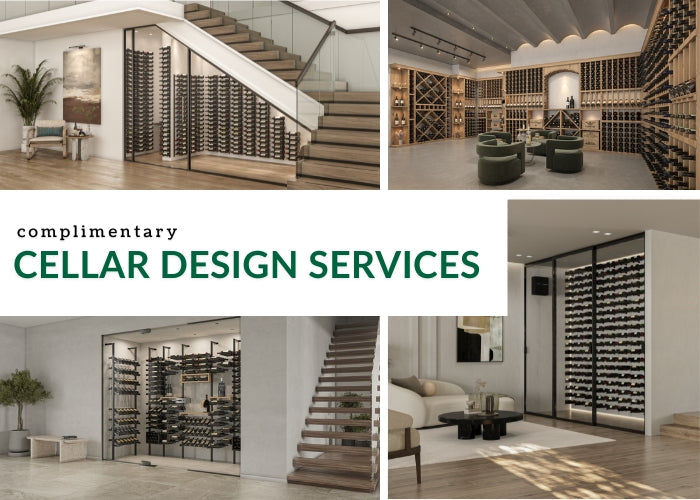
Designing a wine cellar for home use that includes a tasting room works best when storage, seating, lighting, and circulation are planned together. At Wine Racks America, our cellar design services help homeowners visualize how a wine tasting room fits into their space before a single rack is installed.
From compact tasting counters to fully realized luxury home wine cellar layouts, our team creates designs that balance collection size with real-world enjoyment.