


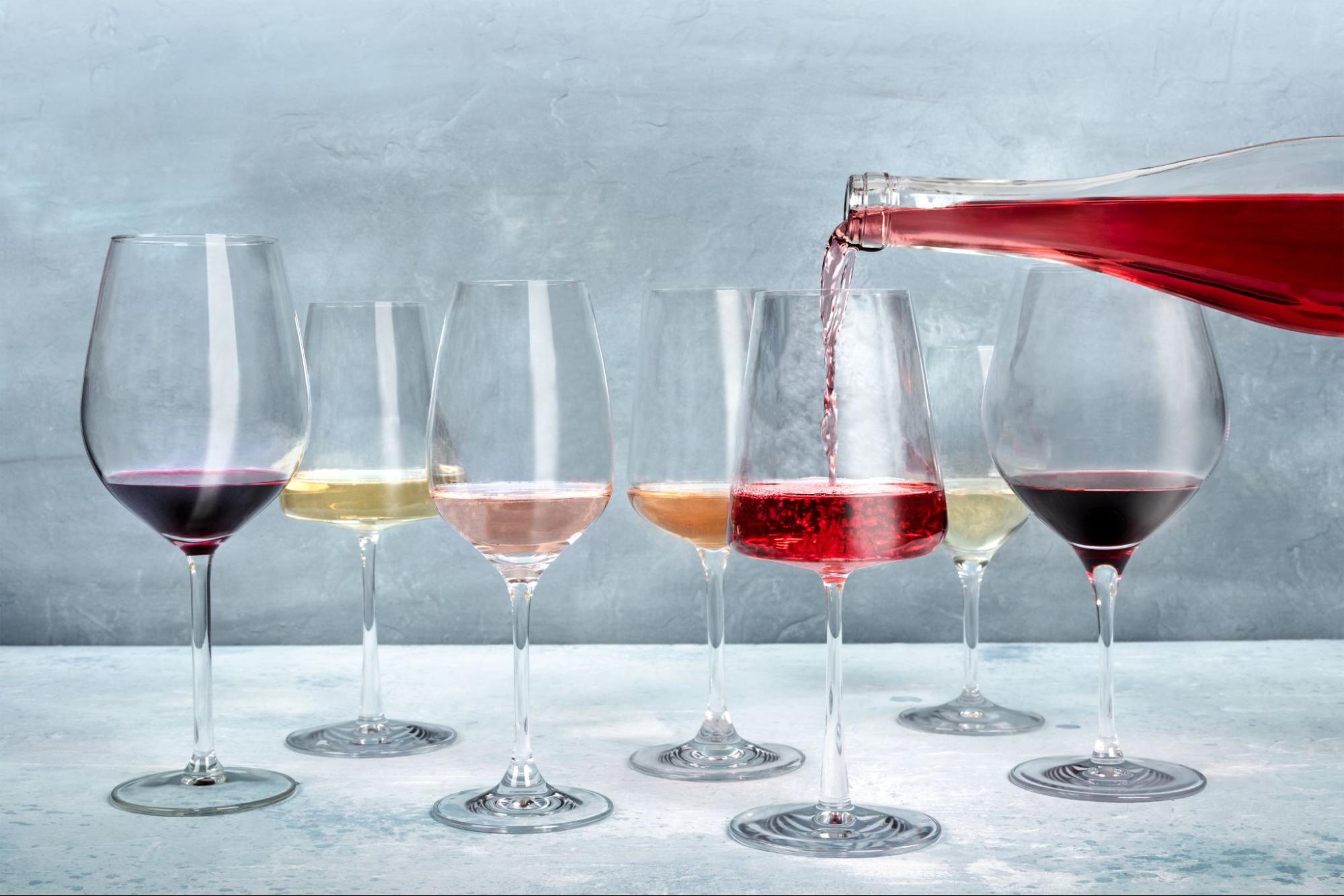
The Best Glass for Each Wine Type: Why It Matters
The right glass can change how a wine smells and tastes, sometimes in dramatic fashion. Shape guides aroma, bowl size affects aeration, and rim design influences how the wine reaches your palate. And you don’t need a large collection of stemware to enjoy these benefits.
A few smart choices will elevate casual weeknight pours as well as larger gatherings. Pair those glasses with organized wine storage at home, and your wine service becomes smoother and more enjoyable.
How a Wine Glass Works
A classic wine glass has four main parts: the base, the long stem, the bowl, and the rim. Each one influences how the wine performs in the glass.
● The base keeps the glass stable on the table. A well-proportioned base supports the bowl above so swirling feels controlled, not wobbly.
● The long stem lets you hold the glass without warming the wine or leaving fingerprints on the bowl. It also gives you a comfortable grip for swirling and serving.
● The bowl determines how much oxygen the wine receives. A wide bowl increases surface area, helping aromas lift and flavors open. A narrower bowl protects freshness and brightness.
● The rim can focus or relax aromas. A gentle taper concentrates delicate scents and directs the wine where it first touches your palate. At the rim, thinner glass often feels smoother and more refined.
Even small changes in shape can make a noticeable difference, which is why there are different wine glass shapes for specific styles.

Red Wine Versus White Wine Glasses
This is one of the most common questions for wine enthusiasts building a home collection. Let’s explore why there are usually distinct types of wine glasses for white wine and red wine.
Red Wine Glasses
Red wine glasses usually feature larger bowls. Bold and structured reds benefit from this space because the wider surface area encourages aeration. As the wine meets more air, tannins feel smoother and aromatics gain depth. A Bordeaux glass for Cabernet Sauvignon or Merlot, for instance, has a tall bowl that lets darker fruit notes rise with each swirl. Burgundy glasses and Pinot Noir glasses use a rounder, more generous bowl to coax subtle scents from lighter reds.
White Wine Glasses
White wine glasses lean smaller, with a narrower opening. This shape maintains a cooler temperature and highlights citrus and floral aromas. A crisp white stays bright when the bowl minimizes heat transfer. Fuller whites, such as oaked Chardonnay, benefit from Chardonnay glasses that provide slightly more room to reveal texture and richness.
Why the Difference Matters
Red wines generally benefit from more aeration, while whites benefit from tighter temperature control. These contrasting needs shape the kinds of wine glasses most associated with each category. Once you understand these basics, choosing the right glasses for wine types becomes much easier.
Different Types of Glasses for Wines
Many people want a clear breakdown of the types of wine glasses and their uses. Here are the most common forms:
● Bordeaux glasses: Tall bowl, ideal for structured reds
● Burgundy glasses: Wide bowl for delicate reds like Pinot Noir
● Red wine glasses: Larger sizes that encourage aeration
● White wine glasses: Smaller bowls for preserved aromatics
● Chardonnay glasses: Fuller bowl to support richer whites
● Rosé glasses: Typically tapered or gently flared depending on style
● Champagne flutes: Slim, tall shape that keeps bubbles lively
● Tulip sparkling glasses: Slightly wider bowl for improved aroma capture
● Dessert wine glasses: Small and tapered to balance sweetness
● Universal wine glasses: Versatile options that work across many wine types
● Stemless glasses: Modern, practical shapes that suit relaxed settings
Having a solid grasp on the different types of glasses for wine helps you match each bottle to a shape that brings out its best qualities.

Best Glasses by Wine Style
This section connects the ideal glass shape to what you’re likely pouring at home.
Sparkling Wine and Champagne
Effervescence defines sparkling wine. A champagne flute keeps bubbles tight and lively with its tall, narrow chamber. A tulip-shaped glass, though, offers a touch more room so fragrances can rise without losing sparkle. Many enthusiasts prefer tulips for balanced celebration and aroma.
Crisp Whites
Sauvignon Blanc, Pinot Grigio, and Albariño shine in slender glasses. The narrower bowl preserves temperature and directs scents toward the nose. Acidity feels sharper and cleaner when you use glasses designed for these wine types.
Full-Bodied Whites
Chardonnay glasses provide more width than crisp white glasses. The added space lets richer whites open slowly, revealing honeyed, toasty, or creamy notes. A gently tapered rim focuses these aromas without overwhelming them.
Rosé
Rosé drinks beautifully from white wine glasses, but specific rosé options exist. A subtle flare highlights youthful rosé with bright fruit. A softly tapered bowl suits more mature styles that carry deeper flavor.
Light Reds
Pinot Noir glasses and other wide-bowl shapes are perfect for lighter reds. The broad bowl encourages delicate aromatics to bloom. A slight taper brings those aromas forward as you taste.
Bold Reds
Cabernet Sauvignon, Malbec, and Syrah benefit from tall, ample bowls. The shape encourages swirling and enhances complexity. A Bordeaux glass is ideal when these wines need space to breathe.
Dessert and Fortified Wines
Dessert wine glasses are typically small with a tulip-style or gently tapered bowl. These sweet styles carry intense aromatics and higher alcohol. A smaller chamber keeps the flavors balanced and fragrant rather than overpowering.
Stemmed and Stemless Choices
Stemmed glasses offer control and elegance. The long stem preserves temperature and improves clarity. Stemless glasses feature modern lines and stable bases. They suit relaxed evenings and outdoor gatherings where durability matters.
Caring for Your Glassware
Proper cleaning helps glasses perform well. Hand-wash with mild soap, rinse thoroughly, and let them air dry. Avoid fragranced detergents that may linger inside the bowl. For storage, keep stemmed glasses upright on shelves or suspended from a wine display rack. Stemless glasses can rest in neat rows with enough space between them to prevent chipping.

Storing Your Wine at Home
Great glasses deserve thoughtful storage alongside your bottles. The GrandCellar™ DIY system offers bottle and stemware storage that keeps both your collection and glassware organized in one elegant wine display. Dedicated stemware racks protect delicate glasses while keeping them easily accessible when you're ready to pour. These modular systems let you configure glass and wine bottle storage to match your space and collection size.
If you’re designing a larger space, our wine racks support seamless expansion. They work beautifully in dedicated wine rooms, under-stair alcoves, and entertainment spaces where presentation matters as much as storage.
Choosing a Small But Smart Collection
You don’t need every shape on the market. Start with:
● One universal wine glass for everyday pours
● One glass for fuller reds
● One glass for crisp whites
● One flute or tulip for sparkling wines
This small set covers most kinds of wine glasses you’ll ever rely on at home. Pair that set with dependable wine racks, and your wood wine stemware storage setup will feel intentional and inviting.
Explore different wine glass shapes that match your favorite wines, then bring your collection together with our wine and stemware racks that keep bottles organized and within easy reach. A thoughtful combination of stemware and wine racks turns every pour into a moment worth savoring.