Is Wine Storage a Profitable Addition to Your Self-Storage Facility?
For self-storage facility owners in affluent urban and suburban markets, wine storage presents an opportunity to serve collectors while creating a premium revenue stream from existing square footage or new additions.
Dedicated wine storage supports premium pricing because customers are paying for specialized environmental conditions, security, and storage designed for valuable collections. Ahead, we’ll explore how to assess whether self-storage wine cellars, storage racks, and lockers are a good fit for your facility.

How to Determine If Wine Storage Is a Good Fit
Wine collectors often run out of suitable space at home. It’s common in urban and suburban areas where customers live in homes with smaller footprints.
This creates an opportunity for savvy self-storage operators and developers to offer a specialized service at premium rates. Follow these steps to determine if wine storage units might be right for your facility.
Start with your local market.
First, determine if you have enough potential customers nearby to support dedicated wine storage. A wine storage facility makes the most sense in affluent markets with an established population of wine collectors. Look for:
- Higher household incomes
- Homes with limited space for dedicated wine cellars
- Nearby wineries, wine shops, fine dining establishments, wine clubs, and tasting rooms
- Strong demand for premium self-storage services
Research nearby competitors. If few wine storage options exist in your area, it could mean this is an underserved need. But it could also mean there isn’t much demand, so do some research to find out whether you can fill an open niche. Consider hiring a market research agency or business consulting firm to be sure.
Consider the customers you already serve.
Your current customers are another valuable source of information. If your facility already attracts higher-income households, downsizing homeowners, or customers seeking premium climate-controlled storage, wine storage may complement your existing services.
Talk to your customers before committing to the investment. Ask about their interest in dedicated wine storage, the approximate size of their collections, and how much space they would need.
For a future facility, consider the customers you expect to attract. Wine storage should fit naturally with your overall positioning and the surrounding market.

Evaluate your available space.
An existing facility may have an underused area suitable for conversion, while a new facility gives you the opportunity to incorporate wine storage into the original design.
The space needs to support the infrastructure required for proper wine storage. That includes insulation, a vapor barrier, a well-sealed room, and a dedicated cooling system designed to maintain appropriate temperature and humidity conditions.
You’ll also need to think about electrical requirements, access, security, and the location of cooling equipment. Learn more about the dos and don’ts of wine storage and consult with an experienced wine cellar designer to determine what the space can accommodate before you invest in the project.
Choose storage options that match your market.
The size and type of collections in your market should guide what you offer. Consider a variety of storage configurations so you can accommodate customers with different collection sizes and budgets, including:
- Metal storage lockers and bins: Give customers secure, individual spaces for their collections with metal storage lockers and bins. Consider several locker sizes to accommodate different bottle capacities.
- Built-in storage: Incorporate wine rack cabinet inserts when you want to combine bottle storage with cabinetry for glasses, accessories, and other supplies.
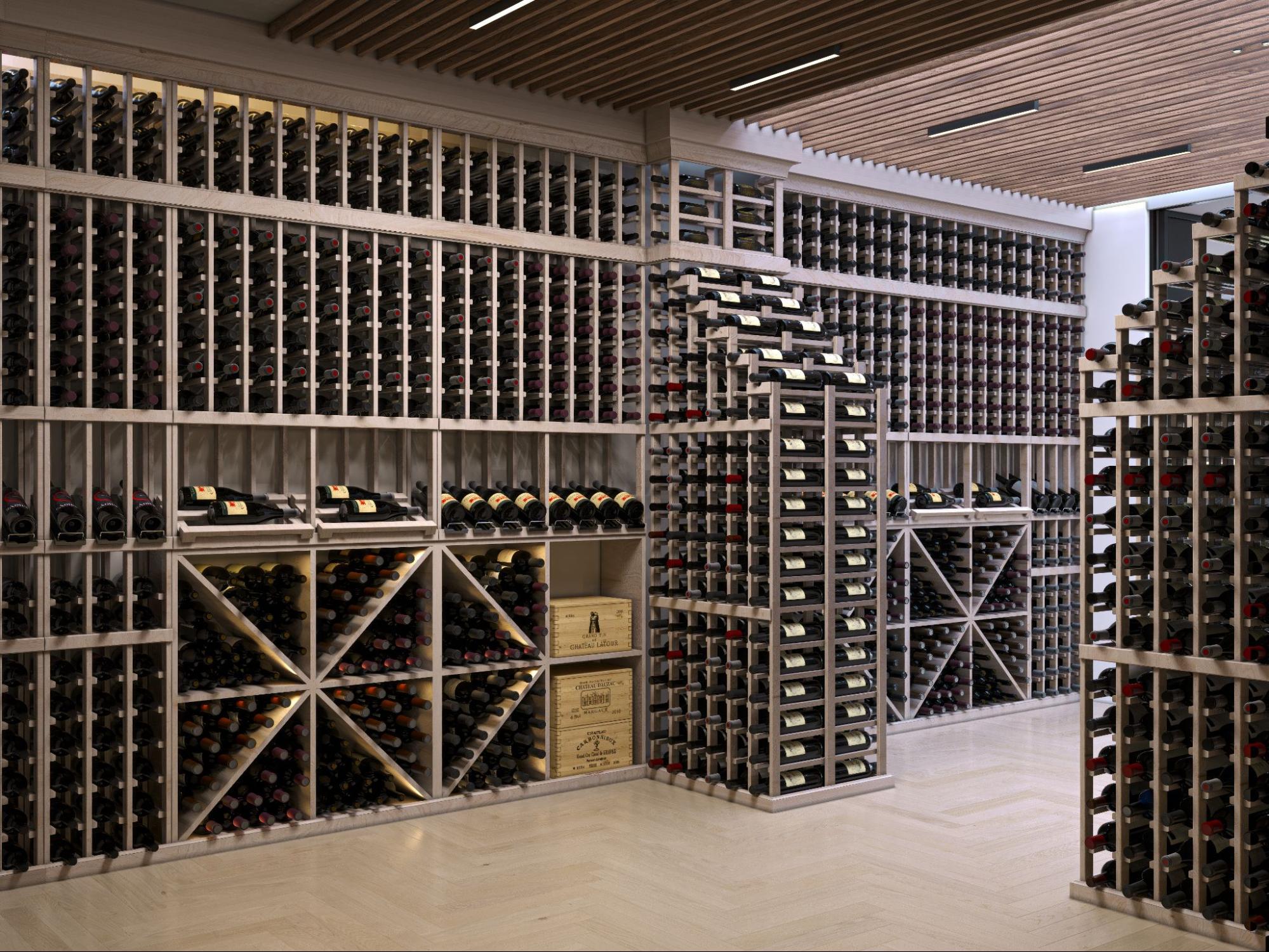
- Private storage areas: Use metal wine racks or wood wine racks to create larger spaces for customers with substantial collections. Design these areas around the collection sizes you expect to serve and the dimensions of your available space.
Don’t limit yourself to a single storage format. Combine individual lockers, built-in storage, and larger private spaces if your market supports them. Offer several options to make it easier for customers to upgrade as their collections grow.
Consider adding a tasting room or gathering space.
If you have enough square footage, a common room can add another dimension to your wine-storage offering. Customers can use the space for gatherings, meetings, tastings, or simply enjoying bottles from their collections.
You can outfit the room with full-wall wood or metal racking systems and tasting tables where customers can gather. A gathering space requires additional square footage and investment, so it won’t be right for every property. But for facilities targeting serious collectors and a premium clientele, it offers another way to differentiate your wine-storage service.
Determine if the investment fits your business model.
Finally, compare the investment with the revenue opportunity. Your budget should account for:
- Construction
- Cooling systems
- Insulation
- Wine racks or lockers
- Security
- Ongoing energy and maintenance
Compare these costs with your projected bottle capacity, anticipated occupancy, monthly rates, and expected revenue. It’s also helpful to compare wine storage with what the same square footage would generate as conventional self-storage.
Premium rates alone don’t tell the entire story. Demand, occupancy, operating expenses, and the initial investment all factor into your potential return.
If you have the right customer base, suitable space, and demand for specialized storage, dedicated wine storage could become a strong addition to your facility.

Explore Your Wine Storage Options With Wine Racks America
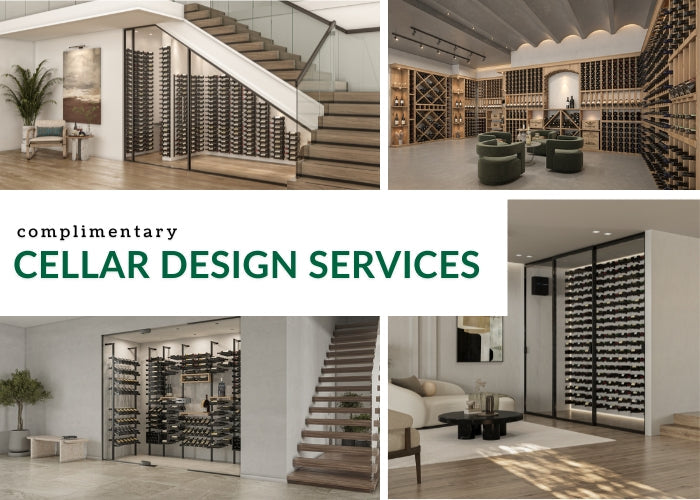
Wine Racks America brings more than 20 years of experience in wine storage and cooling solutions to your project. Our team offers free consultation and design support to help you evaluate your space and determine the right combination of racks, lockers, and cooling equipment.
We offer wood and metal racking systems, storage lockers and bins, tasting tables, cooling systems, and accessories—all in one place. Our wood wine racks are made in the USA and designed for easy assembly by facility owners or general contractors.
When you’re ready to move forward, we’ll work with you to create a custom design. Our wood wine racks are typically built and shipped within 4-6 weeks, with free shipping. Get in touch to learn more and start planning your self-storage wine cellar.