How to Start a Wine Collection on a Budget
Starting a wine collection on a budget is easier than you might think. You don’t need a massive bank account or access to elite wine auctions. With the right approach, you can enjoy wines that are interesting, age-worthy, and personally satisfying.
Collecting wine is really about curiosity and care, not just cost. You don’t have to chase rare bottles to feel proud of your collection. Whether you’re starting with an allowance of $500 or $5,000, these tips will help you make the most of your wine budget.
Start with what you love.
If you’re brand new to the wine scene, your first step is to discover what excites your palate. Sign up for local tastings or visit wine bars where you can sample a range of varietals and styles without committing to a full bottle. Take notes on what you enjoy and what you don’t.
A good collection isn’t just about what others consider “valuable.” It should reflect your own taste. Exploring different producers, grape varieties, and winemaking styles gives you a better sense of where to start, so you can build a collection you’ll enjoy for years to come.

Prioritize wine storage.
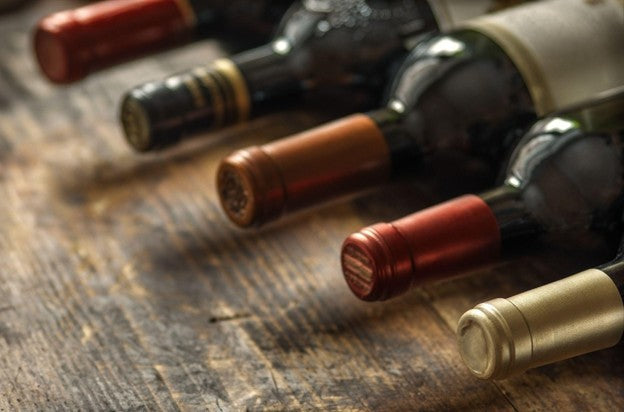
Even if you’re not in the market for rare collectible wines or expensive bottles, it’s vital to store wine properly. Store wine in a dark spot to avoid light strike, which can spoil the wine’s aroma and flavor. Always store bottles horizontally to keep the cork moist and prevent oxidation. Ideally, wine should be stored in a space with a consistent temperature of 55–65°F and a humidity level of 50–70%.
Even if you don’t plan to build a collection of more than a few cases, it makes sense to invest in wine display racks. You have lots of options today, from showcase displays to countertop wine racks to stylish floating bottle displays to wine storage cabinets. Proper wine storage protects your bottles and helps your vintages age as the winemaker intended.
Stay open-minded.
Knowing your preferences is a solid foundation, but don’t let it limit you. Palates evolve over time. Wines that didn’t impress you five years ago might surprise you today. Maybe you’ve written off rosé or never understood the appeal of Riesling. Try them again. You might be surprised at what a reputable producer can do with a style you’ve previously written off.
Staying open to new experiences allows you to discover wines that add depth and variety to your collection. Wine is a lifelong journey, and keeping your mind open helps you grow as both a collector and a drinker.
Be flexible with region.
Price and prestige often follow popular regions, but great wine exists outside the spotlight. Instead of Cabernet from Napa Valley, explore Cabernet Sauvignon from Paso Robles or Washington State. Love Sancerre? Try Quincy or Reuilly from the Loire Valley for a similar profile at a fraction of the cost.
Being flexible about where your wine comes from helps you build a more diverse and affordable collection. You’ll often find better value in underappreciated regions that offer complexity and aging potential without the premium price tag.

Collect with a purpose.
A thoughtful collection tells a story. Instead of choosing bottles at random, consider building your collection around themes that matter to you. You might choose wines from your wedding year, your child’s birth year, or memorable trips.
Maybe you focus on specific varietals across different regions or seek out winemakers who use sustainable practices. When you collect with purpose, there’s an emotional component to each bottle. Every sip is more enjoyable when it’s tied to something meaningful, whether it’s a personal memory or a milestone.
Do your research.
If part of your goal is to build long-term value, research is your best friend. Start by identifying wines that have strong aging potential and are consistently in demand, as these vintages are more likely to increase in value.
Look into vintage reports, critic scores, and auction trends. Read wine publications or follow collectors who share their insights online. Follow producers with rising reputations who haven’t yet hit peak pricing, and don’t rush purchases just to fill a rack. A few well-chosen bottles are more likely to offer long-term value than bottles chosen in haste.

Build relationships with local wine shops.
Local wine shops are a great resource for new collectors. Building relationships with knowledgeable staff members can open the door to special releases, honest recommendations, and access to limited-quantity wines.
Let the staff know your budget and interests. Over time, they’ll get a sense of your taste and suggest bottles you might not find on your own. Many shops offer discounts for case purchases or have mailing lists with early access to deals. Staff at your local wine shops can help you discover rare finds and underrated wines that work within your budget.
Track your collection.
As many wine collectors can attest, it’s easy to lose track of your collection, especially if you join a wine club. As your collection grows, keep a simple record of every bottle. Create a spreadsheet, use a wine-tracking app, or maintain a physical journal.
List the producer, vintage, varietal, purchase price, and ideal drinking window. This habit helps you avoid duplicate purchases and reminds you which bottles are ready to drink. Tracking helps you stay organized and intentional. You’ll know what gaps to fill and what styles you might be overbuying.

Protect Your Collection With Wine Racks America
Photo Credit: VintageView
You’ve decided to start a wine collection, and now you need safe, secure storage. Wine Racks America has everything you need to house your collection in style. From DIY wood racks to climate-controlled custom cellars, our team brings decades of experience to every project.
Choose from a huge selection of traditional wood wine racks, sleek metal racking systems, wine cellar cooling units, accessories, and more. If you need help mapping out your wine storage space, we offer complimentary custom cellar design services using advanced 3D software. Our team will guide you from start to finish. Get in touch to learn more.