How to Protect Your Wine Cellar During a Power Outage
Power failures can disrupt daily life, but for anyone who has invested in a dedicated wine cellar, a sudden loss of climate control poses additional problems. Wine relies on a stable environment to age gracefully. Once electricity drops, the room begins to warm, humidity levels drift, and the conditions that protect your bottles start to change.
A well-built wine cellar can hold its environment for a while, yet extended outages or extreme outdoor temperatures can push the space outside the ideal range. With a thoughtful plan, however, you can shield your collection from unnecessary risk and keep your wine storage temperature as steady as possible.

What Happens Inside a Wine Cellar When the Power Goes Out
As soon as the cooling system shuts down, the room starts absorbing heat from surrounding areas. The speed of that rise depends on your insulation, wine cellar design, and how often the door is opened.
A few key factors determine how quickly conditions shift:
- Insulation quality: Strong insulation slows heat transfer and buys valuable time.
- Thermal mass: A fully stocked cellar warms more slowly than a half-empty space.
- Surrounding temperature: Hot attics, basements near mechanical rooms, and sun-exposed areas warm faster.
- Door usage: Every opening releases cool air and accelerates temperature drift.
Humidity also begins to shift. Without active control, levels may dip or rise depending on the room’s materials and surrounding climate. Over time this affects cork integrity and long-term aging.

How Long Wine Stays Safe Without Power
Wine is more resilient than many people assume. Brief disruptions rarely cause lasting harm, yet the length of the outage and the rate of warming both matter. Here’s a general guideline:
- First few hours: Risk is low if the door stays closed and the room is well insulated.
- 4–8 hours: Conditions begin drifting from target wine storage temperature ranges, especially during heat waves.
- 8–24 hours: Warming becomes noticeable. Humidity can move outside the preferred 50–70 percent range.
- 24+ hours: Extended exposure to rising temperatures can affect wine meant for long-term aging.
These guidelines are based on typical conditions. The actual timeline could be much faster in poorly insulated cellars or much slower in well-built ones.
Throughout this window, your goal is to keep wine cellar temperature control as stable as possible, holding between 50–60°F and maintaining humidity in the 50–70 percent range.

Build a Cellar That Can Handle a Power Outage
The best protection starts long before the lights go out. Good wine cellar design slows temperature change and preserves the controlled environment you rely on.
Insulate and Seal Properly
A well-insulated room is your strongest defense during a power outage. Consider:
- R-19 or higher in walls
- R-30 in ceilings
- A continuous vapor barrier
- An insulated, exterior-grade door with tight weatherstripping
- Sealed penetrations around lighting, wiring, and ducting
These details help maintain ideal wine temperature storage conditions even when active cooling pauses.
Choose Climate Control With Alerts
Many modern wine cellar cooling systems can be paired with smart thermostats or networkable controllers for real-time alerts. For example, select systems support 24-volt thermostat conversion kits or networkable thermostat upgrades that work with popular Wi-Fi thermostats, allowing you to monitor temperature and receive notifications on your phone.
Availability depends on the specific brand and model, so it’s worth asking about these options when you choose your cooling unit.
Plan for Backup Power
Small outages may not cause major shifts, yet longer interruptions demand a backup strategy.
Short-term support
- A compact UPS can keep controllers, sensors, or fans running for several hours to bridge short outages and slow early temperature drift.
- This preserves tracking data and slows the first stages of warming.
Extended protection
- A standby generator can keep the wine cellar cooling unit running through longer outages.
- Automatic transfer keeps the room stable even when you are away from your home or business (although this is generally a significant investment).
- Size the generator so it can support both cooling and any humidification equipment you rely on.
Create a Simple Emergency Kit
A few inexpensive tools can make post-outage checks easier:
- Battery-powered thermometer and hygrometer
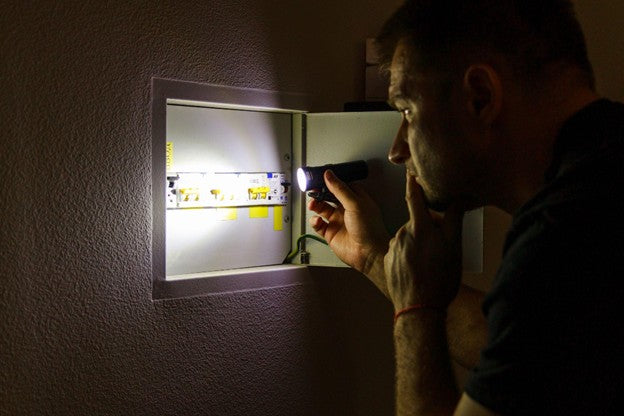
- Flashlight
- Weatherstripping or draft stoppers to reinforce the door if needed
- A written checklist outlining steps to take during an outage
- Contact information for your electrician or the technician who services your cooling system

What to Do During a Power Outage
If the power goes out, keeping the cellar sealed is the most important step. Avoid opening the door unless absolutely necessary. Each opening allows cool air to escape and warm air to enter.
Use a battery-powered thermometer to take quick readings if you must check conditions. If you have a generator, bring it online and confirm that the cooling unit restarts and resumes holding the target temperature for wine storage.
In hot weather, limit nearby heat sources, shade adjacent rooms if possible, and avoid unnecessary activity around the cellar. The goal is to reduce the rate of warming until normal cooling resumes.
After Power Returns: What to Check
Once electricity stabilizes, take a moment to review what happened:
- Record how long the outage lasted.
- Check your monitoring logs for the highest temperature reached.
- Inspect bottles for seepage, pushed corks, or condensation.
- Evaluate insulation and sealing if the room warmed faster than expected.
Most wines tolerate a one-time rise in temperature for a short span. Bottles exposed to more significant warmth for longer periods may be better enjoyed sooner.

Strengthen Your Cellar With Better Climate Control
If you want greater peace of mind during the next power outage, explore our inventory of top-rated wine cellar cooling units from today’s leading brands. We offer through-the-wall, ducted, and split cooling systems that support a variety of wine cellar designs.
When you’re ready to plan or upgrade your climate-control setup, Wine Racks America is here to help you choose the right equipment for your space.